
Understanding GERD and Dietary Triggers
Gastroesophageal Reflux Disease (GERD) arises from stomach acid frequently flowing back into the esophagus, causing irritation and discomfort for many individuals.
Common GERD symptoms include heartburn, regurgitation, chest pain, difficulty swallowing, and a chronic cough, significantly impacting daily life and well-being.
What is GERD?
Gastroesophageal Reflux Disease (GERD), a prevalent digestive disorder, occurs when stomach acid or, occasionally, stomach content flows back into your esophagus, causing persistent irritation. This backwash, known as acid reflux, can inflame the esophageal lining, leading to a range of uncomfortable symptoms. While occasional acid reflux is common, GERD is diagnosed when this happens frequently – typically more than twice a week.
The lower esophageal sphincter (LES), a muscular ring at the bottom of your esophagus, normally keeps stomach acid where it belongs. However, in individuals with GERD, the LES may weaken or relax inappropriately, allowing acid to escape. Several factors can contribute to GERD, including diet, obesity, hiatal hernia, pregnancy, smoking, and certain medications. Managing GERD often involves lifestyle modifications, dietary adjustments, and, in some cases, medication to reduce stomach acid production or strengthen the LES.
Common Symptoms of GERD
Heartburn, a burning sensation in the chest, is the most recognizable symptom of GERD, often worsening after eating or when lying down. Regurgitation, the sensation of stomach contents rising into the throat or mouth, is another frequent complaint. Beyond these core symptoms, GERD can manifest in various ways, including difficulty swallowing (dysphagia), a feeling of a lump in the throat, and chronic cough.
Less common, yet possible, symptoms include hoarseness, sore throat, asthma-like symptoms, and even dental erosion due to acid exposure. Some individuals experience chest pain that mimics a heart attack, requiring medical evaluation to rule out cardiac issues. The severity and combination of symptoms vary greatly from person to person. Recognizing these signs is crucial for seeking appropriate diagnosis and management, ultimately improving quality of life.

Foods to Avoid with GERD
Certain foods commonly exacerbate GERD symptoms by relaxing the lower esophageal sphincter or increasing stomach acid production, leading to discomfort;
Citrus Fruits and Juices

Citrus fruits, including oranges, grapefruits, lemons, and limes, are frequent GERD triggers due to their high acidity. This acidity can irritate the esophageal lining, intensifying heartburn and discomfort. Similarly, citrus juices – orange juice, grapefruit juice, and lemonade – often provoke similar reactions. Individuals with GERD may find that even small amounts of these items worsen their symptoms.
However, tolerance varies; some people can consume limited quantities without issue, while others experience significant problems. Experimenting cautiously, noting any correlation between citrus intake and symptom flare-ups, is crucial. Consider alternatives like less acidic fruits, such as bananas or melons, to satisfy fruit cravings without aggravating GERD. Avoiding citrus, especially on an empty stomach, can provide substantial relief.
Tomatoes and Tomato-Based Products
Tomatoes, despite their nutritional value, are a common culprit in triggering GERD symptoms due to their inherent acidity. This acidity can relax the lower esophageal sphincter (LES), allowing stomach acid to flow back up. Tomato-based products – including pasta sauce, ketchup, salsa, and pizza sauce – share this characteristic and often exacerbate heartburn and acid reflux.
Many individuals find that even small portions of tomato products cause discomfort. Cooking tomatoes can sometimes reduce their acidity, but this isn’t always sufficient for those with sensitive systems. Exploring alternatives like pink sauce (using a minimal amount of tomato paste) or utilizing different flavoring agents can be helpful. Careful observation of personal tolerance levels is key to managing symptoms effectively when considering tomato consumption.
Chocolate
Chocolate, a beloved treat for many, unfortunately frequently appears on the list of GERD trigger foods. It contains methylxanthines, compounds that can relax the lower esophageal sphincter (LES), increasing the likelihood of stomach acid refluxing into the esophagus. Furthermore, chocolate’s high fat content can delay stomach emptying, contributing to increased pressure and potential heartburn.
Interestingly, the type of chocolate can influence its impact. Some individuals report better tolerance of European chocolate compared to candy bars, potentially due to differences in ingredients and processing. Homemade chocolate desserts often prove less problematic than store-bought varieties. Experimentation, within reasonable limits, can help determine individual tolerance. If indulging, smaller portions are advisable, and remaining upright for at least an hour afterward is recommended to minimize symptoms.

Fatty Foods
Fatty foods are notorious GERD triggers due to their significant impact on digestive processes. High-fat meals slow down stomach emptying, increasing the time food remains in the stomach and elevating pressure on the lower esophageal sphincter (LES). This prolonged pressure makes it easier for stomach acid to backflow into the esophagus, causing heartburn and discomfort.
The slower digestion also leads to increased acid production. Fried foods, fast food, and rich sauces are prime examples of culprits. While complete elimination isn’t always necessary, mindful consumption is key. Opting for leaner protein sources and healthier cooking methods—baking, grilling, or steaming—can significantly reduce symptoms. Homemade versions of typically fatty dishes often prove more tolerable than processed alternatives, allowing for better control over ingredient quality and fat content.
Spicy Foods
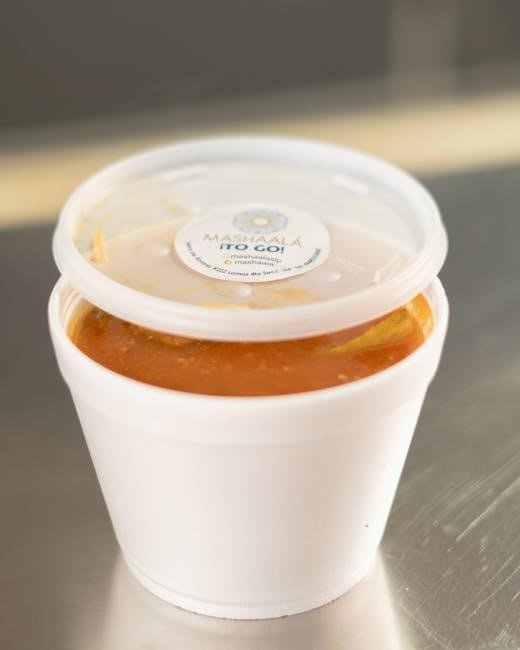
Spicy foods frequently exacerbate GERD symptoms, though individual tolerance varies considerably. Capsaicin, the chemical compound responsible for the heat in chili peppers, can irritate the esophageal lining directly, intensifying heartburn sensations. Furthermore, spicy foods can stimulate acid production in the stomach, increasing the likelihood of reflux.
Many individuals find that even mild spices trigger discomfort, while others can tolerate moderate levels. Experimentation, guided by personal experience, is crucial. When attempting a spicy dish, start with a very small portion. Exploring alternative flavoring methods—different cheeses, herbs, and seasonings—can help compensate for reduced spice intake. If spice is unavoidable, pairing it with bland foods may lessen its impact. Remember, homemade versions often allow for better spice control compared to commercially prepared options.
Carbonated Beverages
Carbonated beverages, including soda, sparkling water, and even beer, are notorious GERD triggers due to their inherent properties. The bubbles increase pressure within the stomach, potentially forcing stomach acid upwards into the esophagus, leading to heartburn and regurgitation. This increased pressure can also relax the lower esophageal sphincter (LES), the muscle that prevents acid reflux.

Avoiding carbonation entirely is often recommended for those with GERD. If you crave a fizzy drink, allowing it to go completely flat before consumption might reduce its impact, though this isn’t always effective. Consider alternatives like still water, herbal teas, or diluted fruit juice. Many individuals find relief by completely eliminating carbonated drinks from their diet. Remember, even small amounts can trigger symptoms, so careful monitoring of your body’s response is essential.
Caffeine (Coffee, Tea, Soda)
Caffeine, found in coffee, tea, and many sodas, is a well-documented GERD trigger for numerous individuals. It relaxes the lower esophageal sphincter (LES), the muscular valve preventing stomach acid from flowing back into the esophagus. This relaxation allows acid to rise, causing heartburn and discomfort. Furthermore, caffeine stimulates acid production in the stomach, exacerbating the problem.
The impact of caffeine varies from person to person; some can tolerate small amounts, while others experience significant symptoms even with minimal intake. Decaffeinated options may be a suitable alternative, but even these can sometimes cause issues. Experimenting to determine your personal tolerance level is crucial. If you experience GERD symptoms after consuming caffeine, reducing or eliminating it from your diet is highly recommended for improved digestive health and comfort.
Alcohol
Alcohol consumption frequently exacerbates GERD symptoms, mirroring the effects of caffeine on the lower esophageal sphincter (LES). It causes the LES to relax, permitting stomach acid to reflux into the esophagus, leading to heartburn and irritation. Different types of alcoholic beverages can have varying impacts; however, all generally contribute to increased acid production.
Stronger alcoholic drinks, like spirits, tend to be more problematic than beer or wine, but even moderate consumption can trigger symptoms in susceptible individuals. The effects are often dose-dependent, meaning the more alcohol consumed, the greater the likelihood of experiencing reflux. Avoiding alcohol altogether is often the most effective strategy for managing GERD. If complete abstinence isn’t feasible, limiting intake and consuming alcohol with food may help mitigate its negative effects on digestive health.
Mint (Peppermint, Spearmint)
Mint, encompassing both peppermint and spearmint, surprisingly acts as a common GERD trigger for many individuals, despite its traditional use for soothing digestive upset. While it can initially feel calming, mint possesses properties that relax the lower esophageal sphincter (LES), the muscular valve preventing stomach acid from backing up into the esophagus.
This relaxation allows acid to flow upwards, causing heartburn and discomfort. The effect isn’t universal; some people tolerate mint without issue, but those prone to GERD should exercise caution. It’s found in numerous products – teas, candies, chewing gum – making avoidance challenging. Carefully reading ingredient lists is crucial. Experimenting with eliminating mint from your diet can help determine if it’s a personal trigger, and opting for alternative flavorings is advisable for sustained relief.

Strategies for Managing GERD Through Diet
Prioritize smaller, frequent meals, intuitive eating, and mindful portion control to prevent stomach overload and minimize acid reflux episodes effectively.
Smaller, More Frequent Meals
Consuming larger meals can significantly increase stomach pressure, escalating the likelihood of acid reflux. Instead, adopting a strategy of smaller, more frequent meals throughout the day helps maintain consistent digestive function and reduces the volume of food entering the stomach at any given time. This approach minimizes the strain on the lower esophageal sphincter (LES), the muscle responsible for preventing stomach acid from backing up into the esophagus.
Aim for approximately five to six smaller meals or snacks evenly spaced throughout the day, rather than three large meals. This consistent intake provides a steady stream of nutrients while preventing the stomach from becoming overly full. Remember to eat slowly and chew your food thoroughly, aiding digestion and further reducing the risk of reflux. This dietary adjustment, combined with other lifestyle modifications, can substantially improve GERD symptom management.
Intuitive Eating and Portion Control

Practicing intuitive eating involves listening to your body’s hunger and fullness cues, rather than adhering to strict diet rules. For individuals with GERD, this means eating when genuinely hungry and stopping when comfortably satisfied, avoiding overeating which exacerbates reflux. Hunger itself can worsen acid production, so ignoring initial cues can be counterproductive.
Portion control complements intuitive eating by helping to manage meal sizes. Even with GERD-friendly foods, consuming excessive amounts can trigger symptoms. Pay attention to serving sizes and avoid second helpings if you’re already feeling full. Experiment with trigger foods cautiously, using small portions to assess tolerance. This mindful approach, combined with recognizing the difference between emotional and physical hunger, empowers you to navigate dietary choices effectively and minimize GERD flare-ups.
Cooking Methods & Food Preparation
Employing gentler cooking methods can significantly reduce GERD symptoms. Raw garlic, a common trigger, becomes more tolerable when cooked. Similarly, while tomatoes might be problematic, incorporating a small amount of tomato paste in cooked dishes, like a pink sauce, can be manageable. Steaming, baking, grilling, or poaching are preferable to frying, which adds unnecessary fat and can worsen reflux.
Food preparation also plays a crucial role. Homemade versions of trigger foods, like chocolate cake, often prove easier to digest than store-bought alternatives. Opting for European chocolate over candy bars may also offer relief. Thoroughly cooking foods aids digestion, reducing the likelihood of acid production. Prioritizing fresh, whole ingredients and minimizing processed foods supports overall gut health and minimizes potential irritants.
Local vs. Processed Foods
Choosing locally sourced foods can dramatically impact GERD symptoms, as demonstrated by experiences with eggs. While commercially produced eggs triggered stomach upset for one individual, switching to local eggs resolved the issue. This suggests that locally sourced animal products may be easier to digest and less irritating to the gastrointestinal system, potentially due to differences in animal feed and farming practices.
Processed foods often contain additives, preservatives, and unhealthy fats that exacerbate GERD. Homemade alternatives, like cakes, are generally better tolerated. The quality of ingredients matters; local produce and meats are often fresher and contain fewer potential irritants. Prioritizing whole, unprocessed foods supports gut health and minimizes exposure to substances that can trigger acid reflux, leading to improved comfort and digestion.

Over-the-Counter Relief & Lifestyle Adjustments
Medications like antacids, Pepto Bismol, and Beano offer relief, while avoiding tight clothing and staying upright post-meals aids digestion effectively.
Medications (Antacids, etc.)
Over-the-counter medications play a crucial role in managing GERD symptoms, offering temporary relief from discomfort. Antacids neutralize stomach acid, providing quick, but short-lived, relief from heartburn. Pepto Bismol can soothe the digestive tract and reduce inflammation, offering a broader approach to symptom management. Beano aids in digesting complex carbohydrates, reducing gas and bloating that can exacerbate GERD.

However, it’s vital to remember these are not long-term solutions. For persistent symptoms, a prescribed medication like Omeprazole (40mg, as one user noted) may be necessary, working to reduce acid production. Distinguishing between reflux pain and anxiety-related stomach discomfort is key, as anxiety can mimic GERD symptoms. Always consult a healthcare professional for personalized advice and to determine the most appropriate medication regimen for your specific needs. Remember room temperature water in the mornings can help your stomach adjust.
Clothing and Posture
Lifestyle adjustments, specifically regarding clothing and posture, significantly impact GERD symptom management. Avoiding tight waistbands is paramount, as they increase abdominal pressure, potentially trapping gas and forcing stomach acid upwards. Opt for comfortable, loose-fitting clothing, especially during and after meals. Maintaining upright posture, particularly for about an hour after eating, aids gravity in keeping stomach contents down.
Avoid lying down immediately after consuming trigger foods, as this dramatically increases the risk of acid reflux. Even small amounts of apple juice can cause issues if followed by reclining. Being mindful of your body position throughout the day, and especially post-meal, can drastically reduce discomfort. Meal prepping can help you stay on track with dietary needs, and remembering these simple adjustments can complement medication and dietary changes for optimal GERD control.