Petlibro Water Fountain Instructions: A Comprehensive Guide
Navigating the world of pet hydration requires a reliable fountain; this guide offers detailed instructions for Petlibro models,
addressing setup, maintenance, troubleshooting, and comparisons to alternatives like Catlink, ensuring a consistently fresh water source.
Understanding Your Petlibro Fountain
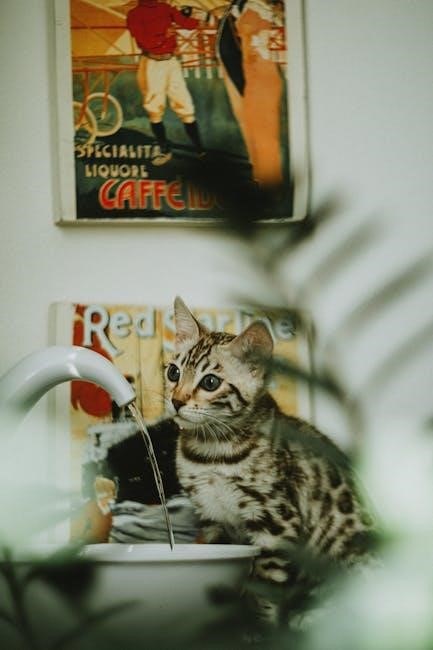
Petlibro fountains are designed to encourage increased water intake in pets, promoting better health and preventing dehydration through a continuous circulation system. These fountains differ significantly from traditional bowls, offering filtered, aerated water that appeals to discerning animals.
Various models exist, ranging from basic plug-in versions to advanced Wi-Fi enabled options like the Catlink fountain, each catering to different needs and preferences. The Glacier fountain, while popular, has recently faced concerns regarding potential defects, leading to increased refund requests and temporary discontinuation.
Understanding the core components – the base, tank, pump, and filter – is crucial for proper operation and maintenance. Some users have found that a simple fix, like placing a rag between the base and tank, can resolve issues like random shut-offs and high-frequency noise. Always consult the user manual for specific safety precautions and model-specific instructions.
Unboxing and Component Identification
Upon receiving your Petlibro fountain, carefully inspect the packaging for any signs of damage during transit. Inside, you should find the fountain base, the water tank (often separate for easy filling), a submersible pump, and the filter assembly.
The filter typically consists of a sponge layer for initial sediment removal, activated carbon for odor and taste improvement, and potentially a resin component for water softening. Some models, like the Glacier fountain, may include additional filter stages.
Identify the power adapter and any included accessories, such as a cleaning brush or replacement filter. Familiarize yourself with the spigot, noting that its presence doesn’t guarantee spill-proof operation – some users report water spillage when it’s not in use. Retain the packaging and documentation for warranty purposes and future reference.
Initial Setup: Preparing the Fountain for Use
Before first use, thoroughly wash the water tank and base with mild soap and water, ensuring all manufacturing residue is removed. Rinse completely to avoid any soapy taste affecting your pet’s water. Do not use abrasive cleaners, as these can damage the plastic.
Inspect the pump for any debris and gently rinse it under running water. It’s crucial to position the fountain on a stable, level surface to prevent accidental spills. Consider placing a thin rag between the base and tank – a user-reported fix for random shut-offs and noise issues.
Ensure the power outlet is easily accessible and protected from moisture. Avoid using extension cords if possible. This initial preparation sets the stage for optimal fountain performance and longevity, guaranteeing a safe and appealing hydration station for your furry friend.
Assembling the Petlibro Water Fountain
Begin by securely placing the pump within the base of the fountain, ensuring it sits flat and is properly aligned with the water intake. Connect the pump’s power cord through the designated opening in the base. Carefully position the water tank onto the base, making sure it fits snugly and is stable.
If your model includes a spigot, attach it to the designated opening on the tank, tightening it securely to prevent leaks – be aware some users report spills without the spigot. Before proceeding, double-check all connections to guarantee a watertight seal.
Proper assembly is vital for preventing leaks and ensuring the fountain operates efficiently. A stable setup minimizes noise and potential hazards, providing a safe and reliable water source for your pet.
Filter Installation: Ensuring Water Purity

Proper filter installation is paramount for maintaining clean and fresh water for your pet. Begin by rinsing the new filter thoroughly under running water to remove any loose carbon dust. This prevents cloudy water and ensures optimal filtration. Locate the filter compartment within the fountain, typically accessible by removing the water tank or a designated cover.
Insert the filter into the compartment, ensuring it’s securely seated and properly aligned. Some models utilize a multi-stage filtration system, requiring correct placement of each filter component – often including a sponge filter. Regularly replacing the filter, as per the manufacturer’s guidelines, is crucial for removing impurities and preventing unpleasant odors.
A clogged filter can reduce water flow and compromise water quality, so consistent maintenance is key.
Water Level Management: Optimal Fill Lines
Maintaining the correct water level is vital for the Petlibro fountain’s proper operation and your pet’s consistent hydration. Most models feature clearly marked “max fill” lines on the water tank; exceeding this level can cause spillage, particularly if the spigot is attached. Conversely, insufficient water can lead to pump burnout or intermittent operation.
Regularly check the water level, especially during warmer months or with multiple pets, as evaporation increases water consumption. Some users have experienced spillage when the spigot isn’t used, highlighting the importance of monitoring levels closely. Ensure the water level remains within the recommended range for optimal pump performance and consistent water flow.
Consistent monitoring prevents operational issues and guarantees a continuous supply of fresh water for your furry companion.
Powering On and Initial Operation
After assembling and filling your Petlibro fountain, connect the power adapter to a suitable outlet. Upon initial power-up, the pump may take a few seconds to prime, so allow time for water to begin circulating. Observe the water flow to ensure it’s consistent and reaching the designated drinking areas.
Some users report high-frequency noise during initial operation; placing a thin rag between the base and tank can often mitigate this. If the fountain shuts off randomly, this same technique can resolve the issue. Ensure the filter is correctly installed, as a clogged filter can impede water flow and cause the pump to struggle.
Monitor the fountain closely during the first few hours to confirm stable operation and address any immediate concerns.
Troubleshooting: Common Issues and Solutions
Petlibro fountains, while reliable, can occasionally present challenges. Random shut-offs are frequently reported, often resolved by placing a thin rag (microfiber recommended) between the base and tank – a surprisingly effective fix. High-frequency noise can also be addressed with this method. Water spillage, particularly when the spigot isn’t used, is another common complaint; ensure it’s securely attached if your cat doesn’t prefer drinking from it.

Unpleasant odors usually indicate a need for thorough cleaning and filter replacement. If issues persist, contact Petlibro support, as a growing number of defective systems, especially the Glacier model, have been identified, potentially qualifying you for a refund or replacement.
Addressing Random Shut-Offs
Sudden, unexplained shutdowns are a frequent concern with Petlibro fountains, causing worry for pet owners. A surprisingly simple, yet effective solution, involves placing a thin rag – microfiber is ideal – between the fountain’s base and the water tank. This seemingly minor adjustment often completely resolves the issue, stabilizing operation and eliminating intermittent interruptions to your pet’s water supply.
Before resorting to this fix, always verify adequate water levels and ensure the filter sponge isn’t clogged, as these can also contribute to pump malfunction. If the rag trick doesn’t work, or the problem recurs, it may indicate a defective unit, prompting you to contact Petlibro support for assistance.
Dealing with High-Frequency Noise
Many Petlibro fountain users report experiencing a high-frequency buzzing or whining sound, which can be disruptive. Fortunately, this noise is often easily mitigated. Similar to addressing random shut-offs, placing a thin rag – a microfiber cloth works well – between the fountain’s base and the water tank can significantly dampen the vibrations causing the noise.
This simple fix absorbs the resonance, leading to quieter operation. Ensure the fountain is placed on a level surface, as uneven placement can exacerbate vibrations. If the noise persists, double-check that all components are securely assembled and that the pump isn’t directly contacting any hard surfaces. Contacting Petlibro support is advised if the issue remains unresolved.
Resolving Water Spillage Issues
A common complaint among Petlibro fountain owners, particularly with basic models, is water spilling onto the floor. This often occurs when the fountain is used without the included spigot. While some cats prefer drinking directly from the basin, the fountain is designed to operate optimally with the spigot attached, preventing splashing and overflow.
If your cat refuses to drink with the spigot, carefully monitor the water level and ensure it doesn’t exceed the maximum fill line. Consider placing a protective mat underneath the fountain to contain any minor spills. Inspect the fountain’s seams and connections for any leaks. If spillage continues despite these measures, contacting Petlibro support for assistance is recommended, as it may indicate a faulty unit.
Cleaning and Maintenance: Keeping Your Fountain Fresh
Regular cleaning is paramount for maintaining a hygienic and appealing water source for your pet. A consistent schedule prevents bacterial growth and ensures optimal water purity. Thoroughly clean the fountain at least once a week, disassembling all components – the base, tank, and spigot – and washing them with mild soap and water. Rinse meticulously to remove any soap residue.
Filter replacement is equally crucial; follow Petlibro’s guidelines, typically replacing filters every 2-4 weeks, depending on usage and water quality. Addressing unpleasant odors often indicates a need for filter replacement or a more intensive cleaning. If odors persist, consider using a pet-safe enzymatic cleaner. Maintaining a clean fountain promotes your pet’s health and encourages consistent hydration.
Regular Cleaning Schedule
Establishing a consistent cleaning schedule is vital for optimal fountain performance and pet health. A daily quick rinse of the tank and base helps prevent algae buildup. However, a comprehensive cleaning should occur at least once per week. This involves complete disassembly of all fountain parts – the pump, tank, spigot, and any decorative elements.
Wash each component with warm, soapy water, utilizing a soft sponge or brush to remove debris. Pay close attention to the pump impeller, ensuring it’s free from obstructions. Rinse thoroughly to eliminate all soap residue. Deep cleaning should also include sanitizing with a pet-safe disinfectant. Remember to dry all parts completely before reassembling, preventing mold or mildew growth. Consistent adherence to this schedule guarantees fresh, clean water for your furry companion.
Filter Replacement Guidelines
Maintaining water purity hinges on timely filter replacements. Petlibro fountains utilize multi-stage filtration systems, typically incorporating a sponge, activated carbon, and sometimes a resin component. The sponge filter should be rinsed weekly during cleaning and replaced monthly, as it captures larger particles. Activated carbon filters, responsible for removing odors and improving taste, require replacement every 2-4 weeks, depending on water quality and pet usage.
Monitor filter saturation; a decrease in water flow signals a need for replacement. Ignoring these guidelines can lead to reduced filtration effectiveness and potential health concerns for your pet. Always use genuine Petlibro replacement filters to ensure compatibility and optimal performance. Proper filter maintenance is paramount for a consistently clean and appealing water source.
Addressing Unpleasant Odors
Unpleasant odors emanating from your Petlibro fountain typically indicate bacterial growth. Thorough cleaning is the first line of defense; disassemble all components and wash them with mild dish soap and water, ensuring complete rinsing to remove any residue. Pay close attention to crevices where biofilm can accumulate. Regularly replacing the filter sponge and activated carbon filter is crucial, as these trap odor-causing compounds.
Consider the material of the fountain; ceramic models are less prone to harboring bacteria than plastic. If odors persist, a diluted vinegar solution (one part vinegar to ten parts water) can be used for a deeper clean, followed by a thorough rinse. Ensure adequate water flow and frequent water changes to prevent stagnation, which contributes to odor development.
Specific Model Considerations: Glacier Fountain
The Petlibro Glacier Fountain, while popular, has experienced reported issues. Users have noted an increasing number of defective systems, prompting Petlibro to offer refunds or replacements, and temporarily discontinue the model. If you own a Glacier Fountain and encounter problems – such as random shut-offs or high-frequency noise – contacting Petlibro support is highly recommended.
A common workaround for these issues involves placing a thin rag (microfiber is suggested) between the fountain’s base and the water tank. This surprisingly effective solution can mitigate noise and prevent unexpected shutdowns. However, this is a temporary fix, and a replacement or refund may be the best long-term solution given the reported defect rate.
Contacting Petlibro Support: Defective Systems & Refunds
If you’re experiencing persistent issues with your Petlibro fountain, particularly the Glacier model, reaching out to their support team is crucial. Reports indicate a rising number of defective units, and Petlibro has been proactively offering resolutions, including full refunds or replacement systems. Be prepared to detail your problem thoroughly, including any troubleshooting steps already taken.
Documenting the issue with photos or videos can expedite the process. When contacting support, clearly state your desire for a refund or replacement, depending on your preference. Keep records of all communication, including dates, times, and the names of support representatives.
Petlibro’s responsiveness can vary, so persistence may be necessary.
Alternative Fountain Options: Catlink Comparison
When evaluating pet fountain options, the Catlink fountain emerges as a compelling alternative to Petlibro, particularly for those prioritizing convenience and advanced features. Catlink boasts a wireless design and a separate pump, facilitating effortless removal for cleaning and refilling – a significant advantage over some Petlibro models.
However, the Catlink setup demands patience, especially concerning initial Wi-Fi connectivity; Changing your Wi-Fi password post-setup can trigger a frustrating reconnection process. Despite this, users praise its overall functionality and ease of maintenance.
While Petlibro offers more basic, affordable options, Catlink caters to tech-savvy pet owners seeking a more sophisticated and user-friendly experience, albeit with a potentially steeper learning curve.
Safety Precautions: Important User Manual Information
Prioritizing pet safety is paramount when using any automatic water fountain. The Petlibro user manual emphasizes several crucial precautions. Always ensure the power cord is securely positioned to prevent tripping hazards and avoid water exposure to electrical components.
Regularly inspect the fountain for any damage, such as cracks or frayed wires, and discontinue use if defects are detected. Supervise your pet initially to ensure they adapt safely to the fountain.
Never submerge the base unit in water, and always disconnect the fountain before cleaning or performing maintenance. The Rainbow Automatic Ceramic Water Fountain, model PLWF004, also stresses the importance of adhering to these guidelines for optimal safety and longevity.
Maximizing Fountain Lifespan: Tips and Tricks
Extending the life of your Petlibro fountain requires consistent care and proactive measures. A simple trick, reported by users, involves placing a thin rag (microfiber recommended) between the base and the tank to mitigate noise and prevent random shut-offs.
Regular descaling is vital, especially in areas with hard water, to prevent mineral buildup that can damage the pump. Avoid harsh cleaning chemicals; opt for vinegar and water solutions.
Proper filter maintenance is key; replace filters according to the guidelines, and ensure the sponge isn’t clogged. For models with a spigot, be aware that removing it may lead to spillage, as some users have experienced. Consistent attention to these details will ensure years of reliable service.
Spigot Usage: Preventing Spills
The Petlibro fountain’s spigot, while offering a preferred drinking style for some cats, presents a potential issue: spillage. Numerous users report that removing the spigot entirely often results in water overflowing onto the floor, despite the fountain being advertised as functional with or without it.
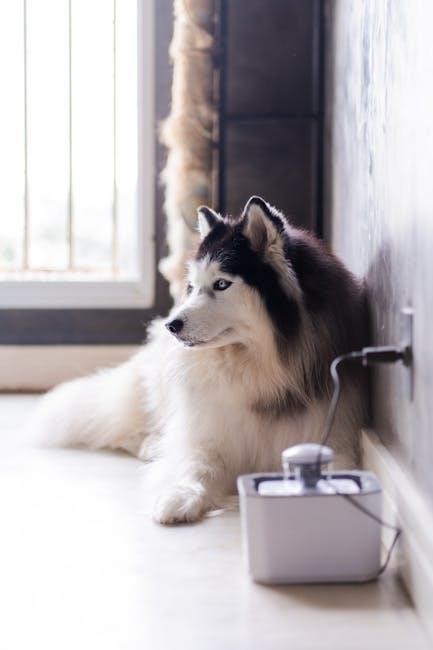
To mitigate this, it’s strongly recommended to keep the spigot securely attached, even if your pet doesn’t immediately utilize it. Experiment with adjusting the spigot’s position to find a balance between water flow and minimizing splash.
Regularly check the spigot’s connection to ensure a tight seal, preventing leaks. If spillage persists, consider the rag-under-base trick mentioned in lifespan maximization tips, as it may indirectly stabilize the unit.
Wi-Fi Setup (For Applicable Models): Patience is Key
For Petlibro fountains boasting Wi-Fi connectivity, prepare for a potentially lengthy and frustrating setup process. Users consistently emphasize the need for significant patience, particularly when initially connecting the fountain to your home network. The Catlink fountain, a competitor, shares this characteristic – initial Wi-Fi pairing demands considerable time and effort.
Crucially, avoid changing your Wi-Fi password after the initial setup. Altering the password will necessitate a complete re-pairing process, requiring even more patience. Ensure a stable Wi-Fi signal strength near the fountain during setup.
Follow the Petlibro app’s instructions meticulously, and be prepared to retry multiple times. If issues persist, consult Petlibro’s support resources or online forums for assistance.

Understanding Warranty Information
Petlibro offers a warranty on its water fountains, but the specifics can vary depending on the model and purchase location. Recent reports suggest a potential increase in defective systems, particularly with the Glacier fountain, leading Petlibro to offer refunds or replacements in some cases. This indicates a willingness to address product issues, but also highlights potential reliability concerns.
It’s crucial to retain your proof of purchase, as this will be required to initiate a warranty claim. Familiarize yourself with the warranty terms and conditions, paying attention to the coverage period and any exclusions.
If you encounter a defect, contact Petlibro support promptly. Be prepared to provide detailed information about the issue and your purchase. Documenting the problem with photos or videos can also be helpful.